
Rebar & concrete scanningin Dubai
Non‑destructive concrete scanning UAE—uses GPR to locate rebar, post‑tension cables & utilities, ensuring safe cutting, drilling & structural integrity.
Overview
Rebar & concrete scanning
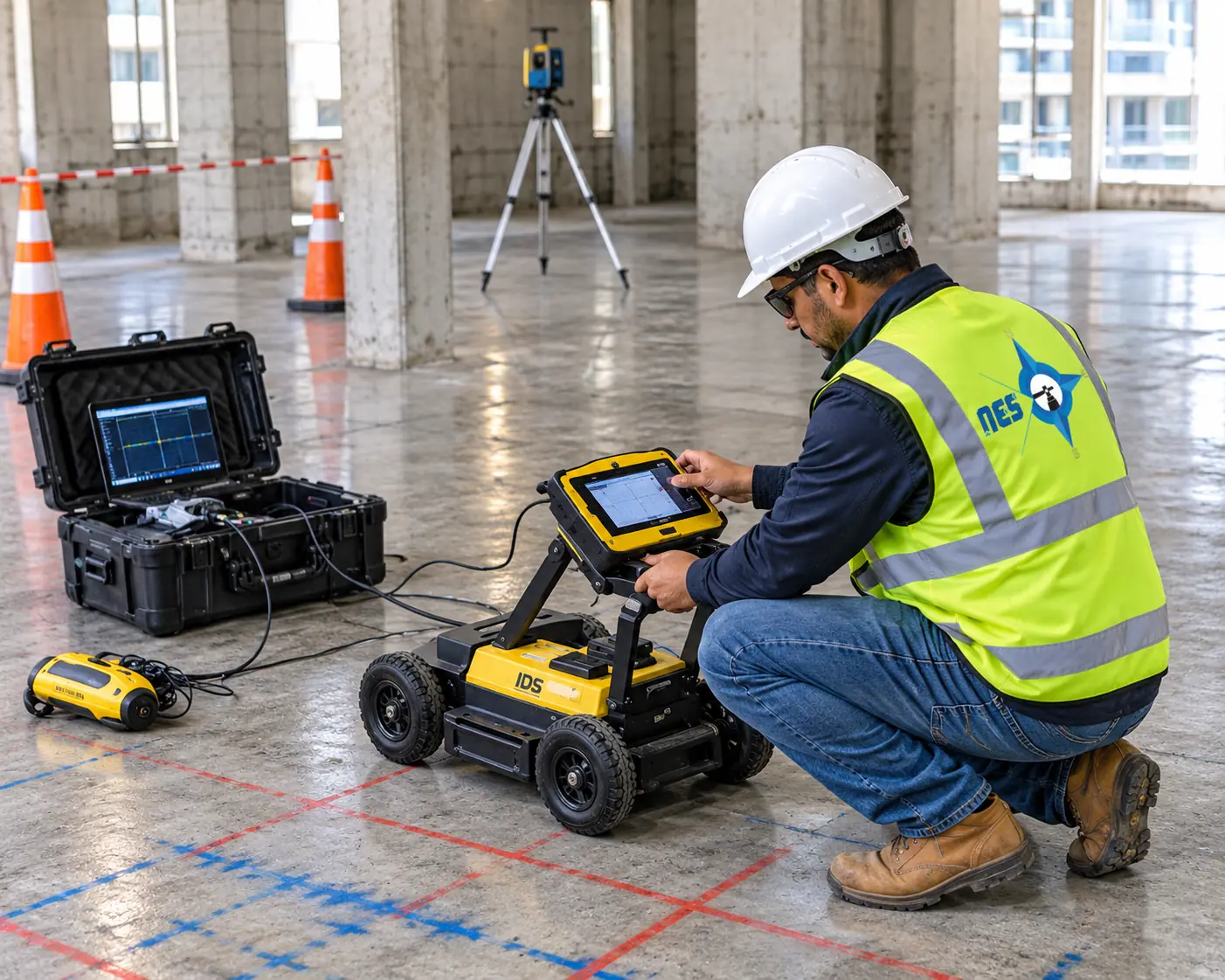
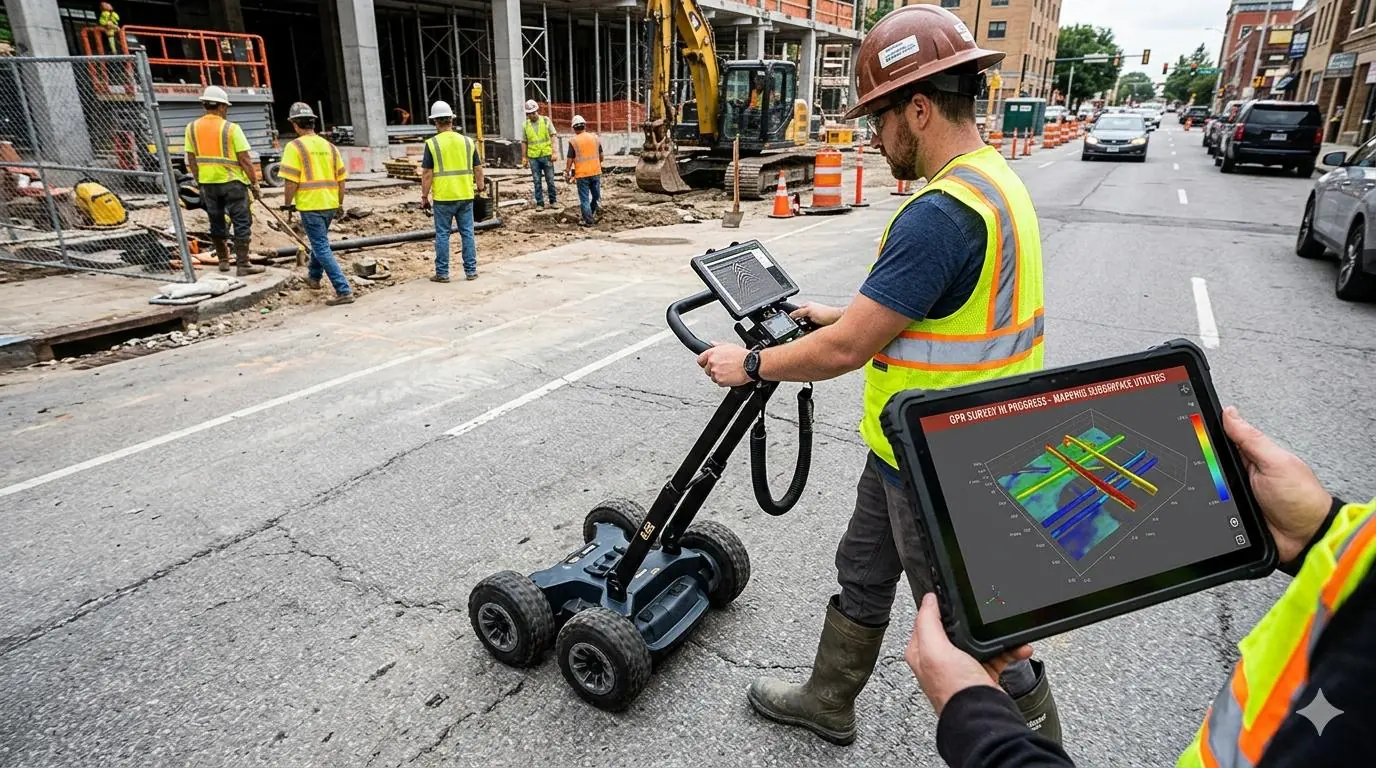
Concrete scanning uses non-invasive technologies like Ground Penetrating Radar (GPR) to inspect the interior of concrete structures. This allows us to detect reinforcements, voids, and hidden utilities without damaging the concrete surface. Ideal for renovations, maintenance, and safety assessments, our concrete scanning services by Northern Engineering Survey ensure that structural integrity is assessed accurately, helping to prevent costly or dangerous surprises during construction or renovation.
- Safe coring & drilling
- Rebar location
- Structural checks
- Renovation

What we capture
What concrete scanning finds
Rebar
Bar position and spacing in slabs and walls.
Conduits
Electrical and data lines inside concrete.
Post-tension cables
Tendons to avoid before coring.
Voids
Gaps and hollow areas.
Cover depth
Concrete cover over the steel.
Deliverables
What you receive
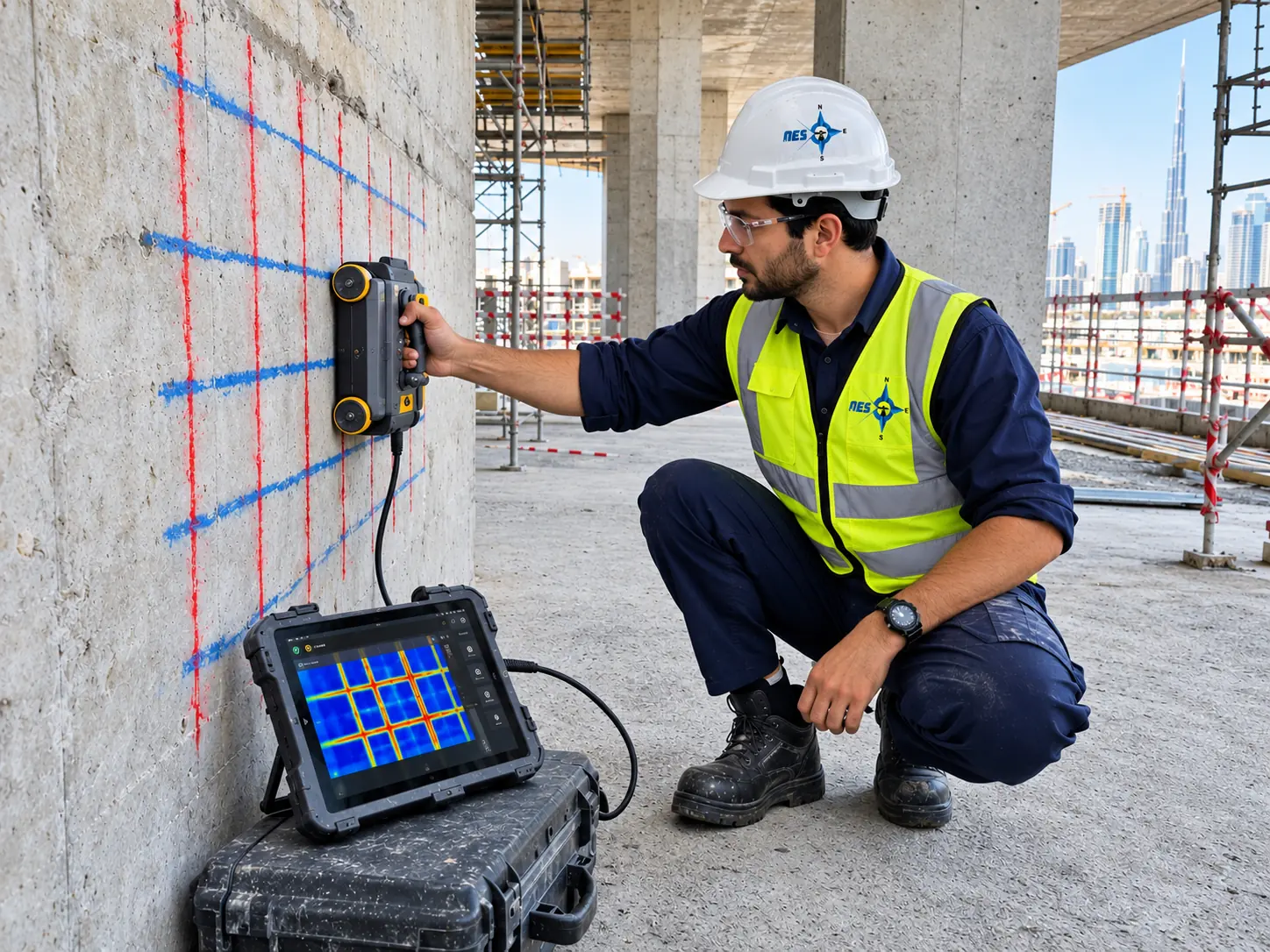
- Marked scan resultsRebar, cables and voids marked on the concrete surface.
- Scan reportFindings with images and locations.
- Drawing of positionsWhere it is safe to cut or drill.
Process
How a NES survey runs
From your first message to signed drawings, in five steps.
- 01
Brief & quote
Send the site and purpose. We confirm scope, time and price.
- 02
Control set-up
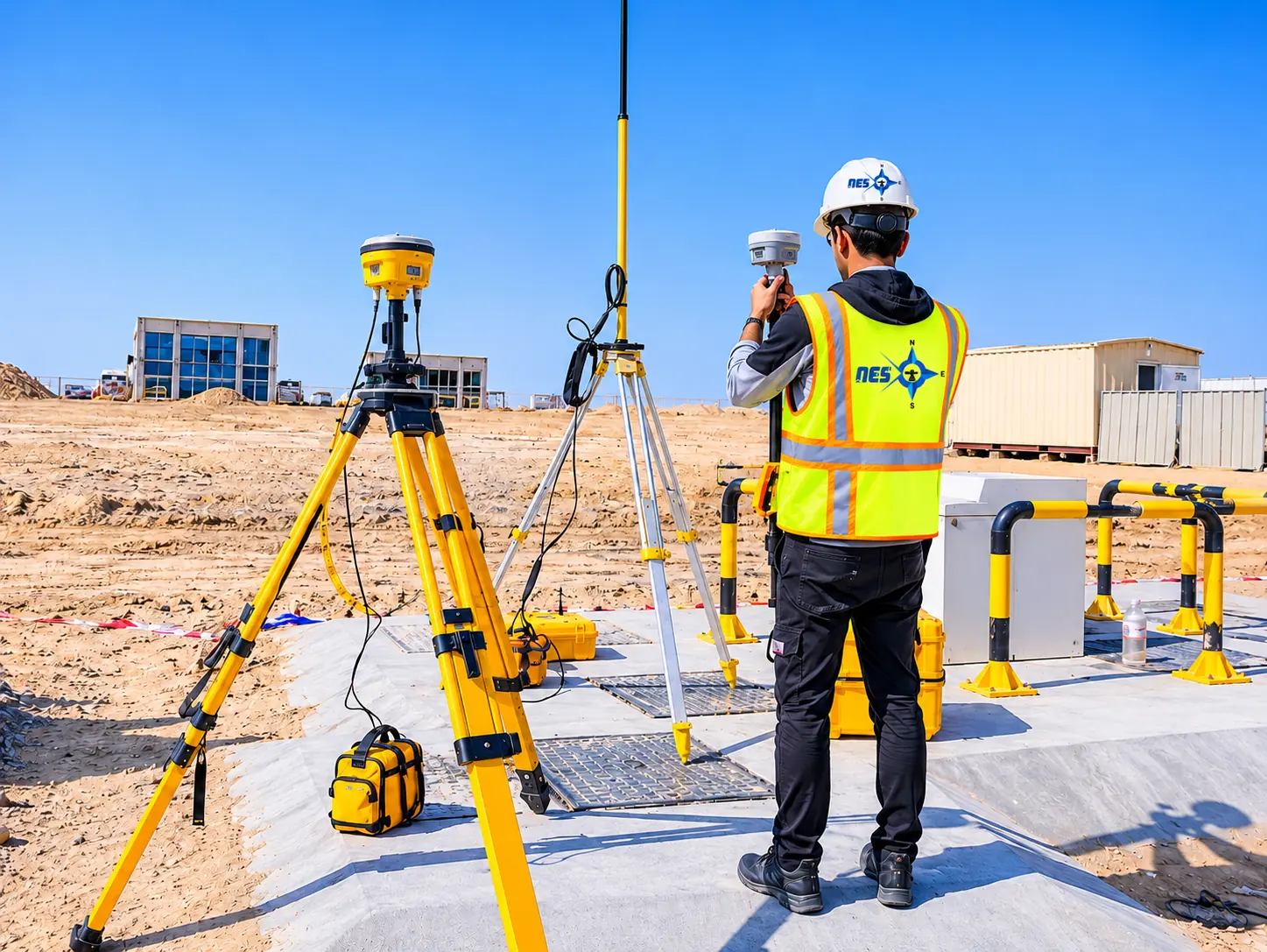
Control points fixed with RTK GPS, so everything ties together.
- 03
Field survey
Our crew measures with the instruments that fit the site.
- 04
Processing & CAD
Engineers process the data; drafting builds the drawing.
- 05
Check & deliver
Independent check against control, then your files.
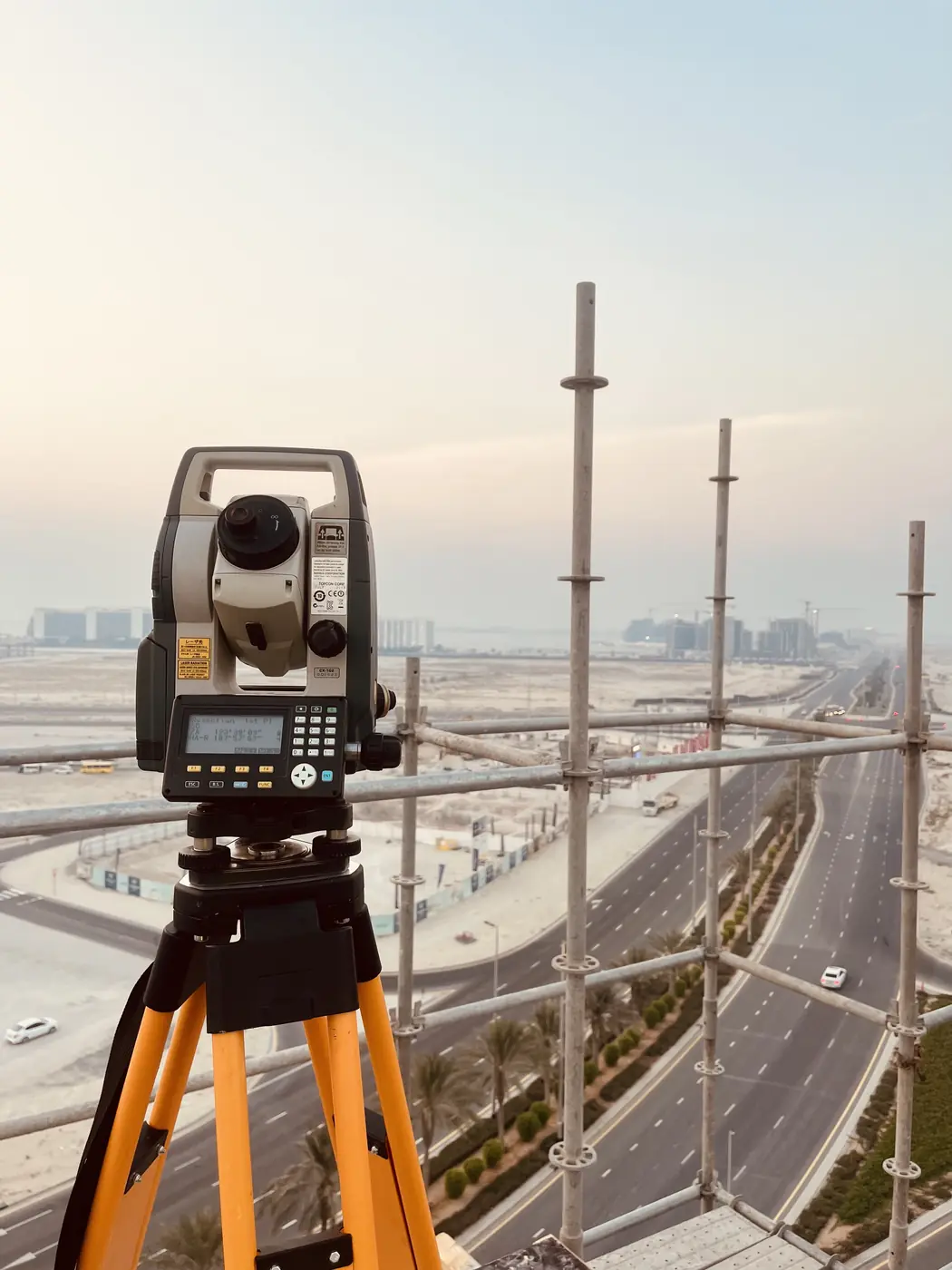
Why choose NES for rebar & concrete scanning
High-precision instruments
Our own total stations, GPS and scanners for fast, accurate measurements.
Survey & CAD under one roof
Integrated surveying and drafting keeps data consistent.
Proven track record
250 major projects for authorities, developers and contractors.
Built around your project
Scope tailored to site planning, authority and municipal needs.
FAQ
Concrete scanning FAQ
What does concrete scanning detect?
Concrete scanning detects rebar, post-tension cables, electrical conduits, voids, and other embedded objects.It helps avoid damaging these elements during construction activities.The process ensures accurate identification of materials inside concrete.
When should concrete scanning be done?
It should be done before any drilling, cutting, coring, or structural modification.This prevents costly damage and ensures safety.Planning scans early avoids delays during the project.
Is it safe to use indoors and around people?
Yes, concrete scanning using GPR is completely safe.It emits no harmful radiation or chemicals.It can be used around people and sensitive environments without concern.
What equipment is commonly used?
Ground-Penetrating Radar (GPR) is the most commonly used technology.It sends radar pulses into concrete to detect subsurface objects.Other tools like electromagnetic scanners may also be used for accuracy.
Are the results immediate?
Yes, most GPR systems provide real-time visuals on-site.Technicians can interpret the results instantly.This allows for quick decision-making and minimal project disruption.
Related services
Often booked together

Get a quote
Request rebar & concrete scanning
Share the site location, size and what the survey is for. A surveyor will reply with scope, timing and price.